Introduction
In the dynamic world of mobile gaming, optimization has become a critical factor that can make or break a game's success. As we navigate through 2026, the competition in the Android gaming market is fiercer than ever, particularly in regions like Malaysia, where a burgeoning gaming community is constantly seeking better experiences. Game developers must prioritize optimization to ensure their titles run smoothly, engage players, and ultimately stand out in a crowded marketplace.

From performance tuning to graphics optimization, there are numerous strategies developers can employ to enhance their games. This article will delve into the top five Android game optimization tips that every developer in Malaysia should consider when creating their next hit title.
Key Optimization Techniques
There are several key techniques for optimizing Android games, including performance tuning, graphics optimization, and effective memory management. Let's explore these strategies in detail.
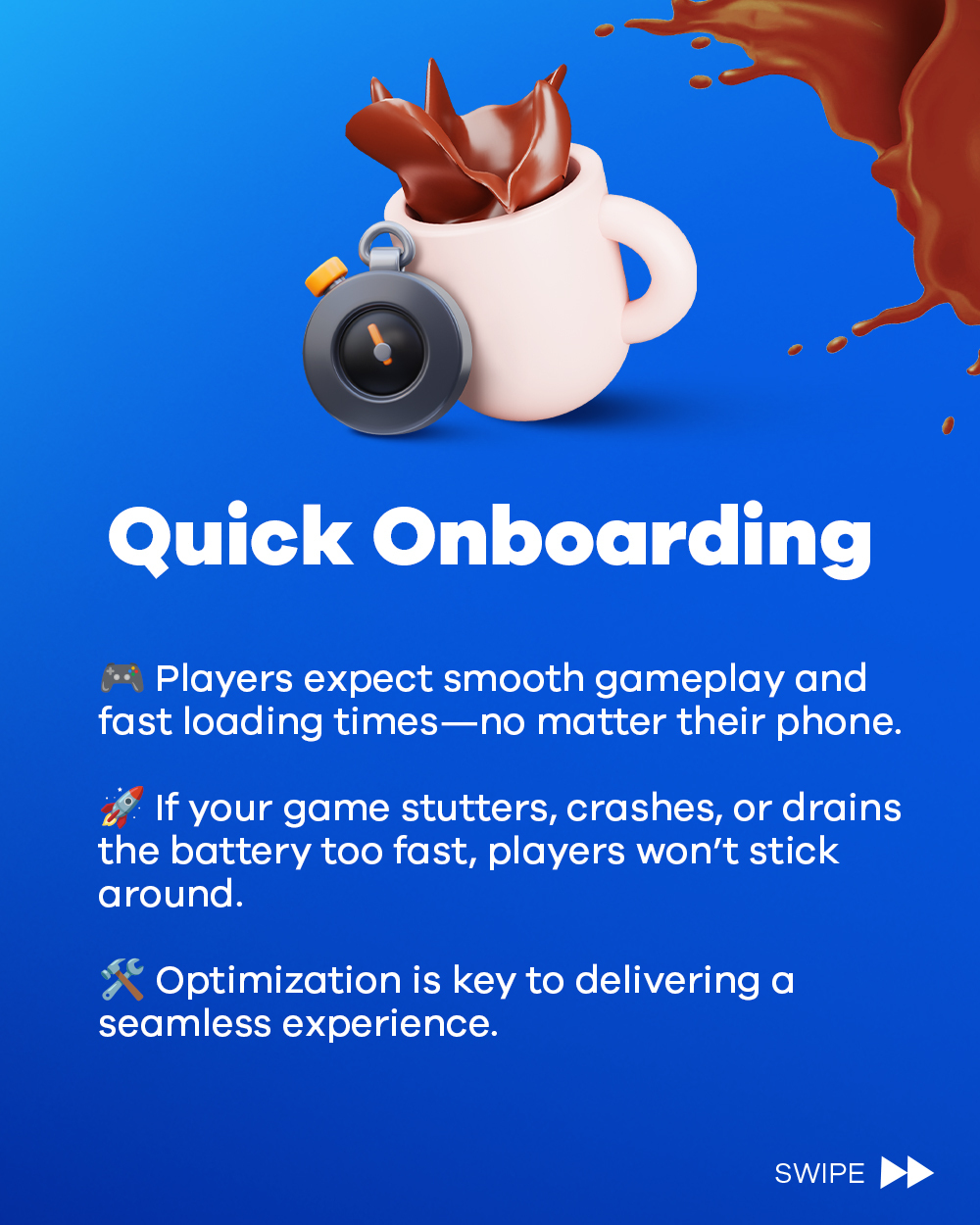
Performance Tuning Strategies
Performance tuning is vital for ensuring that your game runs smoothly on a wide range of Android devices. Here are some strategies to enhance game speed and responsiveness:
- Profiling Your Game: Utilize profiling tools available in Unity and Unreal Engine to identify bottlenecks in your game's performance. These tools can help you pinpoint areas that require optimization.
- Reducing Frame Drops: Aim for a consistent frame rate by optimizing your game loop and minimizing expensive operations during gameplay. Reducing frame drops can enhance player experience significantly.
- Asynchronous Loading: Implementing asynchronous loading of assets will prevent your game from freezing during load times. This technique allows your game to load content in the background while players continue to engage with the game world.
Graphics Optimization Tips
Graphics play a crucial role in attracting players, but they can also lead to performance issues if not managed properly. Here are some tips to reduce graphics load without sacrificing quality:
- Level of Detail (LOD) Techniques: Use LOD models to reduce the complexity of 3D models as they move further away from the camera. This technique can lead to a 30% performance increase while maintaining visual fidelity.
- Texture Compression: Employ texture compression methods to decrease the size of texture files. This not only saves memory but also reduces loading times, benefiting players with limited data plans.
- Dynamic Resolution: Implement dynamic resolution scaling, which adjusts the resolution based on the device's current performance. This ensures that players enjoy smooth gameplay without noticeable drops in graphical quality.
Tools for Optimization
Choosing the right tools is essential for effective optimization. Several platforms are widely used by developers in Malaysia and around the world to streamline their game development process:
- Unity: This versatile engine offers built-in profiling and optimization tools that help developers refine their games for various Android devices.
- Unreal Engine: Known for its stunning graphics, Unreal Engine also provides robust performance optimization tools, making it a favorite among developers focusing on high-quality mobile games.
- Android Profiler: Integrated into Android Studio, this tool allows developers to monitor the performance of their applications in real-time, helping to identify issues related to memory management and CPU usage.
Common Pitfalls
Even experienced developers can fall victim to common mistakes during the optimization process. Here are some pitfalls to avoid:
- Neglecting Older Devices: Failing to test your game on a range of devices, especially older models, can lead to negative user experiences. Always ensure your game is optimized for lower-end devices, which are still prevalent in Malaysia.
- Ignoring Memory Management: Poor memory management can lead to crashes and slow performance. Effective memory management can reduce crashes by 40%, a statistic that underscores its importance.
- Over-Optimizing: While optimization is crucial, over-optimizing can lead to degraded visuals and gameplay. Strike a balance between performance and aesthetics to ensure a satisfying player experience.
Conclusion
As the mobile gaming landscape continues to evolve in 2026, developers must recognize the importance of continuous optimization. The right combination of performance tuning, graphics optimization, and effective use of tools can significantly enhance gameplay experiences for users. Staying updated with the latest trends and technologies in game development will empower Malaysian developers to create competitive and engaging Android games.
FAQs
What are the best tools for optimizing Android games?
The best tools for optimizing Android games include Unity, Unreal Engine, and Android Profiler. These tools provide essential features for performance testing and optimization, making them invaluable for developers.
What common mistakes should I avoid in Android game optimization?
Common mistakes to avoid include neglecting older devices in testing, ignoring effective memory management, and over-optimizing which can lead to degraded game visuals.