Introduction
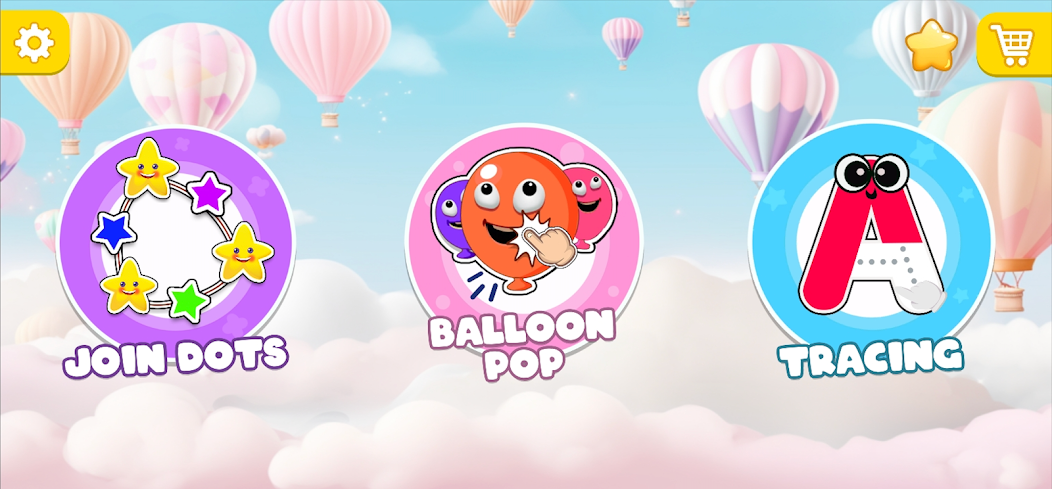
In today's fast-paced digital world, the importance of offline educational games for children's development cannot be overstated. These games not only provide entertainment but also foster critical cognitive and social skills that young minds need to thrive. As more parents in Malaysia seek balanced approaches to their children's learning, offline educational games have emerged as a vital component in nurturing creativity, problem-solving abilities, and emotional intelligence. Here's an example:

Benefits of Offline Educational Games
Offline educational games come with a plethora of benefits that contribute significantly to children's growth. Here are some key advantages:
- Cognitive Development: Playing educational games can improve problem-solving skills, critical thinking, and decision-making. Children learn to strategize and think ahead, which is essential for their academic success.
- Social Skills: Unlike online games, offline games often require group play, encouraging teamwork and communication among peers. This social interaction helps children learn how to cooperate, negotiate, and resolve conflicts.
- Emotional Growth: Engaging in offline games allows children to express their emotions and understand the feelings of others. This emotional intelligence is crucial for building healthy relationships.
Additionally, hands-on learning experiences provided by offline games are more effective for young children, as they can physically manipulate game pieces and engage more deeply with the material.

Top Recommended Games
Here’s a curated list of the top 10 offline educational games for kids in 2026 that are popular among Malaysian families:
-
1. Scrabble
Age Suitability: 8+
Learning Outcomes: Enhances vocabulary, spelling, and strategic thinking.
Scrabble is a classic game that challenges players to create words from individual letter tiles, making it great for language development.
-
2. Math Dice Junior
Age Suitability: 6+
Learning Outcomes: Develops basic math skills, addition, and subtraction.
This game uses dice to create math problems that kids must solve. It’s a fun, competitive way to learn arithmetic.
-
3. Monopoly Junior
Age Suitability: 5+
Learning Outcomes: Teaches money management, counting, and basic economics.
This kid-friendly version of the classic game introduces children to the concept of money and property management.
-
4. Rush Hour
Age Suitability: 8+
Learning Outcomes: Improves logic, planning, and problem-solving skills.
In this game, players must navigate a traffic jam to move their car to safety, enhancing critical thinking abilities.
-
5. Qwirkle
Age Suitability: 6+
Learning Outcomes: Develops pattern recognition, strategy, and spatial reasoning.
Combining colors and shapes, Qwirkle encourages strategic thinking as players create lines of matching tiles.
-
6. Learning Resources' Cuisenaire Rods
Age Suitability: 5+
Learning Outcomes: Enhances understanding of math concepts, including addition, subtraction, and fractions.
These colorful rods provide a hands-on way to explore mathematical ideas, making them great for visual learners.
-
7. Pictionary
Age Suitability: 8+
Learning Outcomes: Boosts creativity, drawing skills, and teamwork.
Players take turns drawing clues for their teams to guess, enhancing communication skills and imagination.
-
8. BrainBox
Age Suitability: 8+
Learning Outcomes: Improves memory, observation, and cognitive skills.
This fast-paced memory game requires players to remember facts about various topics, from science to geography.
-
9. Blokus
Age Suitability: 5+
Learning Outcomes: Develops spatial awareness and strategy.
Players place their pieces on the board, aiming to control the most area while strategizing against opponents.
-
10. Hasbro's Jenga
Age Suitability: 6+
Learning Outcomes: Enhances hand-eye coordination, fine motor skills, and patience.
Jenga’s simple yet challenging gameplay fosters dexterity and strategic planning as players try to remove blocks without collapsing the tower.
How to Choose the Right Game
When selecting the best offline educational games for your children, consider the following tips:
- Age Appropriateness: Ensure the game is suitable for your child's age group. Many games come with recommended age ranges, which can guide you in selecting the right one.
- Interests: Choose games that align with your child's interests. Whether they prefer math, science, or storytelling, there are educational games that cater to various subjects.
- Educational Goals: Consider what skills you want your child to develop. Whether it's enhancing cognitive skills or improving social interactions, select games that support these goals.
FAQs
What are some popular offline educational games for kids?
Some popular offline educational games include Scrabble, Monopoly Junior, Math Dice Junior, and Jenga. These games not only entertain but also provide valuable learning experiences.
How can offline games benefit children's learning?
Offline games foster better social skills, improve cognitive abilities, and promote emotional growth compared to online games. They encourage hands-on learning experiences, which are particularly effective for young children.
Conclusion
Investing in offline educational games is a fantastic way for parents to support their children's development. These games not only provide entertainment but also enhance cognitive, social, and emotional skills essential for navigating the world. With the myriad of options available in 2026, there’s no better time to explore the best offline educational games for kids that can enrich their learning experiences. By incorporating these games into your family routine, you are paving the way for a brighter and more educated future for your children.